The Intriguing Journey of Reflexology
Reflexology, a therapeutic practice rooted in ancient traditions, has traversed through the ages, showcasing its remarkable journey from the cradle of civilisation to contemporary wellness treatments. This holistic approach, which engages the body’s reflex points through pressure techniques, is not merely a form of massage but a potent tool for promoting overall health. Through this exploration, one can appreciate the evolution of reflexology and its pivotal role in various cultural health practices.
Origins in Ancient Civilisations
From Egypt to China
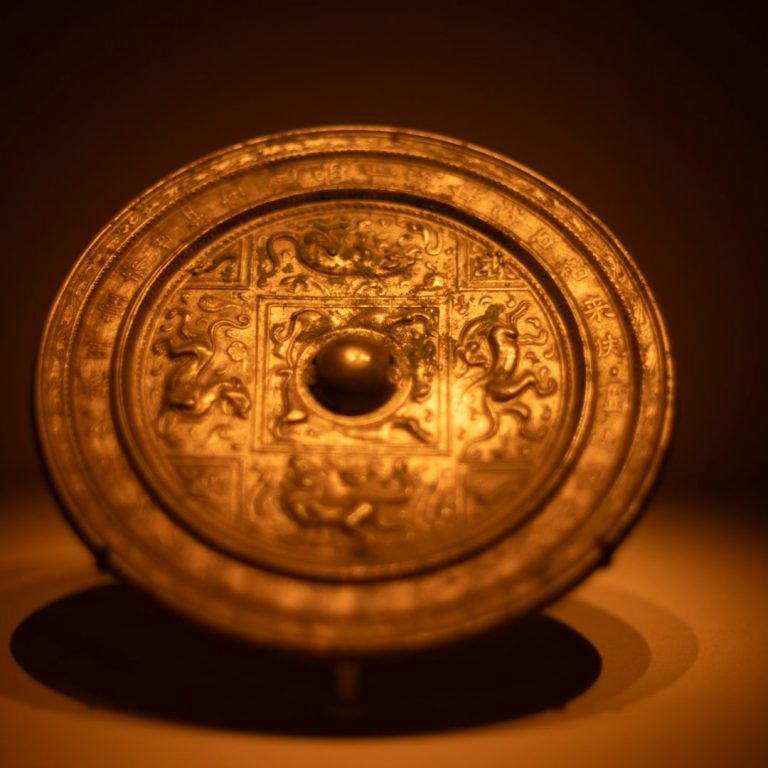
Reflexology finds its roots in ancient Egyptian and Chinese civilisations, where it was practiced as early as 2330 BC. Hieroglyphics discovered in the tomb of Ankhmahor, an Egyptian physician, depicted figures applying pressure to feet, illustrating the early understanding of the relationship between the feet and overall bodily health. Similarly, ancient Chinese practices linked reflexology to concepts of Qi, or vital energy, positing that stimulating specific areas on the feet could restore balance and enhance wellness.
Reflexology in Traditional Medicine
Integrating with Healing Practices
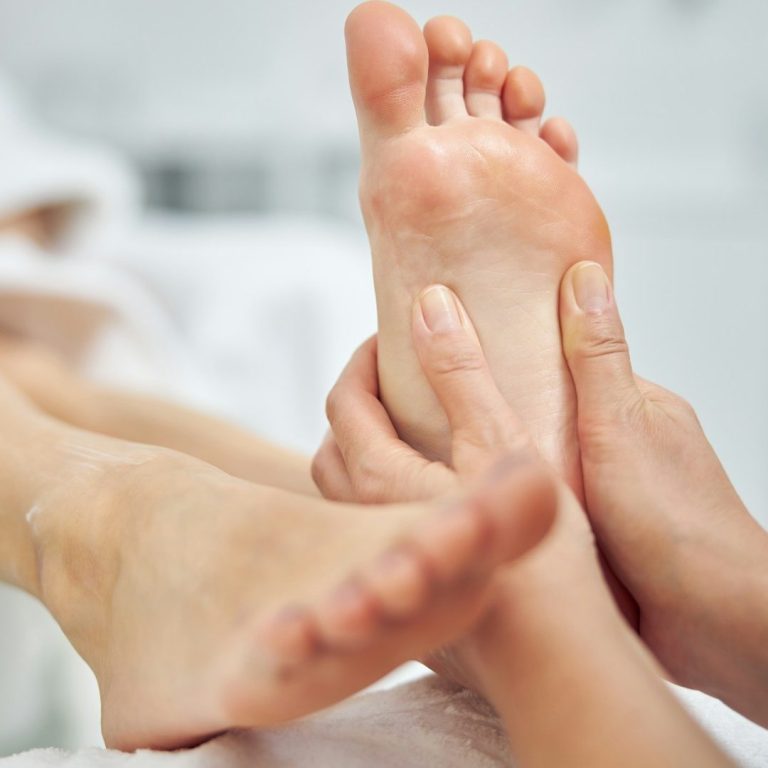
Throughout history, reflexology has been seamlessly integrated into traditional medicine systems. In India, the practice of Ayurveda included foot reflexology as a means to promote health and balance within the body. Additionally, in Native American cultures, indigenous healing practices often employed foot pressure techniques to harmonise the physical and spiritual components of health, highlighting reflexology's global significance.
The 20th Century Renaissance
A Renewed Interest
The early 20th century marked a renaissance for reflexology, particularly in the West. Pioneers like Dr. William Fitzgerald developed Zone Therapy, which laid the groundwork for modern reflexology practices. His work inspired therapists to explore the connections between different parts of the body and their corresponding reflex areas, thus formalising the techniques we see in practice today. This era saw the birth of reflexology as a recognised alternative therapy, evolving into an integral component of holistic health treatment.
Reflexology Today
A Holistic Approach to Health
Today, reflexology is embraced globally as an effective complementary therapy. Practitioners, like those at Highland Zen Facilitator in Inverness, employ these ancient techniques to provide relief from stress, improve circulation, and promote restoration of energy. The continued evolution and research into reflexology underline its significance as a holistic approach to modern health, celebrating a rich tapestry of cultural practices while adapting to contemporary therapeutic needs.